
Andar Bahar in India: History, Rules & Why It Remains a Popular Card Game
Walk into almost any Indian household during a festival evening and there’s a decent chance someone’s got a deck of cards out, betting small change on which pile a matching card lands in first. That’s andar bahar india has been quietly running in the background of Indian social life for generations, long before online casinos ever existed. No fancy equipment, no complicated scoring, just a deck of cards and a bit of nerve.
This blog breaks down where the game actually came from, how the rules work in plain terms, and why it refuses to fade out even with dozens of newer, flashier games competing for attention.
Where Andar Bahar Actually Came From
Nobody has a documented, agreed-upon origin story for this one, and that’s part of its charm honestly. Most accounts trace it back to South India, with Karnataka often mentioned as a likely birthplace. In fact, in parts of the south it’s still called “Katti” rather than Andar Bahar, which tells you the naming spread differently than the game itself.
It moved north over decades through word of mouth, family gatherings, and local card circles. There was never a rulebook printed or a company marketing it. It just traveled the old-fashioned way, one household teaching another.
What’s interesting is how little the core game has changed. Compare that to something like rummy or poker, both of which have picked up regional house rules and variants over time. Andar bahar Indian game traditions stayed fairly consistent because the rules are so minimal there wasn’t much room to complicate them.
How the Game Actually Works
The rules here are refreshingly simple, which is honestly half the reason it caught on so widely. A single card, called the game card or sometimes the joker, gets placed in the middle. Then the dealer starts placing cards one at a time into two piles, one labeled Andar (meaning “inside”) and one labeled Bahar (meaning “outside”). Players bet on which pile will receive a card matching the value of that middle card first.
Here’s the basic flow:
- A card is drawn and placed face up in the center. This is the game card.
- Players place their bets on Andar or Bahar before dealing begins.
- The dealer deals cards one by one, alternating between the two piles.
- Whichever pile gets a card matching the game card’s rank first ends the round.
- Bets on the correct side are paid out; others are lost.
That’s genuinely most of it. There’s a small detail around which side gets the first card (traditionally decided by suit color), and some versions include side bets for more advanced players. But the core mechanic hasn’t needed fixing in probably a century or more.
Why It Has Never Really Gone Out of Style
A lot of card games rise and fade with trends. Andar bahar hasn’t followed that pattern, and there are a few real reasons why.
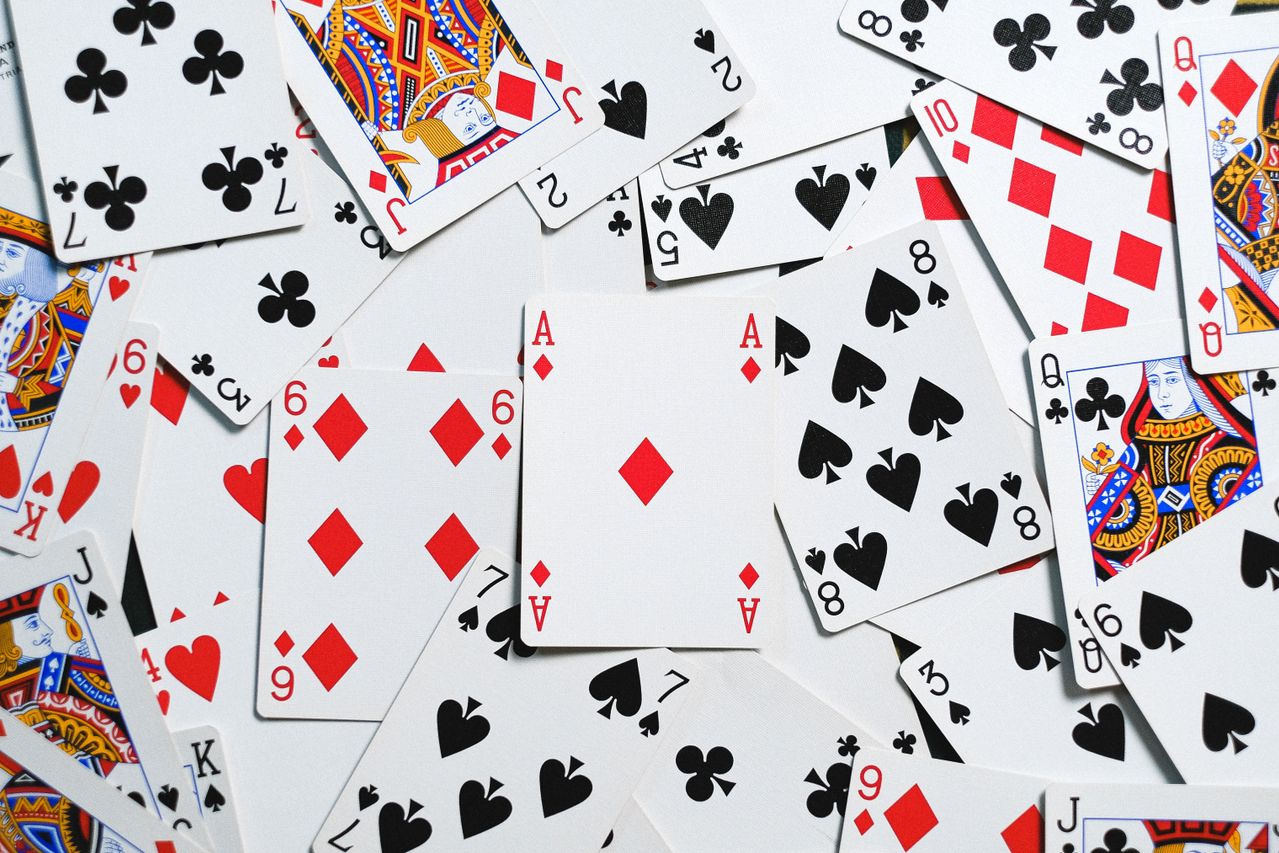
It requires almost nothing to play. A deck of cards and a flat surface. No chips, no board, no special table. Families could play it on a train platform waiting for a delayed train, and people genuinely did.
Rounds finish quickly. A game rarely drags past a few minutes, which suits how people actually socialize. Nobody wants a card game eating an entire evening when there’s food to eat and relatives to catch up with.
The rules travel well across generations. A ten-year-old and a seventy-year-old can both play without either needing a rulebook explained twice. That’s rare for a betting game.
There’s also something to be said for how the game sits at the intersection of luck and social ritual. It’s less about skill and more about the shared moment, the small suspense of watching which pile gets that matching card first. That’s arguably closer to why people play Teen Patti during Diwali than why people play poker at a casino table.
Andar Bahar Moving Online
The shift online didn’t reinvent the game; it just removed the friction around playing it. Traditionally, you needed at least two people physically present, ideally more for it to feel lively. Coordinating that took effort, especially once people moved cities for work and family card nights became harder to organize.
Online versions solved a few practical problems at once:
- Availability at any hour instead of needing a group free at the same time
- No dependency on having enough people around to make it fun
- Access from a phone, which matters given how central mobile internet has become in India generally
Live dealer formats took this further by streaming a real dealer on camera, which keeps some of the original social texture of the traditional version rather than making it feel purely mechanical. Players can watch the cards get placed in real time, which, for a game built almost entirely on anticipation, actually matters more than it sounds.
None of these changes the underlying odds or mechanics, though. It’s still a game of chance at its core; no strategy guide turns it into a game of skill, and treating it otherwise is where people tend to get themselves into trouble.
A Few Honest Notes Before You Play

Worth being upfront here. Andar bahar is a chance-based game, meaning past rounds don’t influence future outcomes, no matter how convincing a pattern might look on screen. Anyone claiming a foolproof system for winning consistently is either misinformed or selling something.
If playing for real money anywhere, checking that the platform is properly licensed matters more than the bonus offer attached to it. And treating it as entertainment with a set budget, rather than a way to make money, tends to be the difference between people who enjoy the game long-term and people who burn out on it fast. Games like this are meant for players 18 and above, and playing responsibly should always come first.
Conclusion
Card games rarely survive this long without changing shape somewhere along the way. Andar bahar mostly hasn’t, and that says something about how well the original format was built for the way Indians actually socialize around games. The history is loosely documented, the rules are minimal, and the appeal has stayed remarkably steady from street corners decades ago to phone screens today. That consistency is exactly what keeps us at Andar Bahar covering this game the way we do.
FAQs
What does Andar Bahar mean in English?Andar means “inside” in Hindi and Bahar means “outside.” The names refer to the two sides players bet on during each round.
Is Andar Bahar a game of skill or luck?It’s almost entirely luck-based. There’s no strategy that reliably changes the odds, since each card dealt is independent of the ones before it.
Where did Andar Bahar originate?Most historical accounts point to South India, likely Karnataka, though the exact origin was never formally documented since it spread through households rather than any organized source.
Can Andar Bahar be played with a standard deck of cards?A regular 52 card deck works fine, and that’s exactly what’s used both in traditional home games and most online versions of it.